




The Fear Here Is: “What if This Never Stops?”
Hirsutism and hypertrichosis turn hair removal into a daily job—plus the mental load of checking, hiding, and bracing for the cycle to reset. You don’t need a lecture. You need a plan that respects two truths at once: hair growth can be hormone-driven, and you still deserve a baseline that feels stable. The shave–pluck–cover treadmill is not an exit strategy. Electrolysis is. Treated follicles are permanently closed. The hair that was there stops coming back. The hormonal driver may continue activating new follicles—but every follicle we treat stays gone, and the overall density shifts in one direction over time.
Hormones May Turn the Lights On. We Shut the Factory Down.
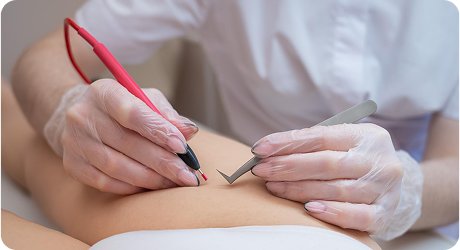
Electrolysis places a fine, sterile probe into each individual follicle and delivers a controlled pulse of heat directly to the growth center. The follicle loses its ability to regenerate—permanently. Because the method doesn’t rely on pigment, it works on every hair color and skin tone: the coarser dark hairs common in hirsutism, the lighter or mixed-texture growth that laser misses entirely, and everything in between. You’re not gambling on being “the right candidate.” You’re choosing a method built for permanence across whatever the follicle produces.
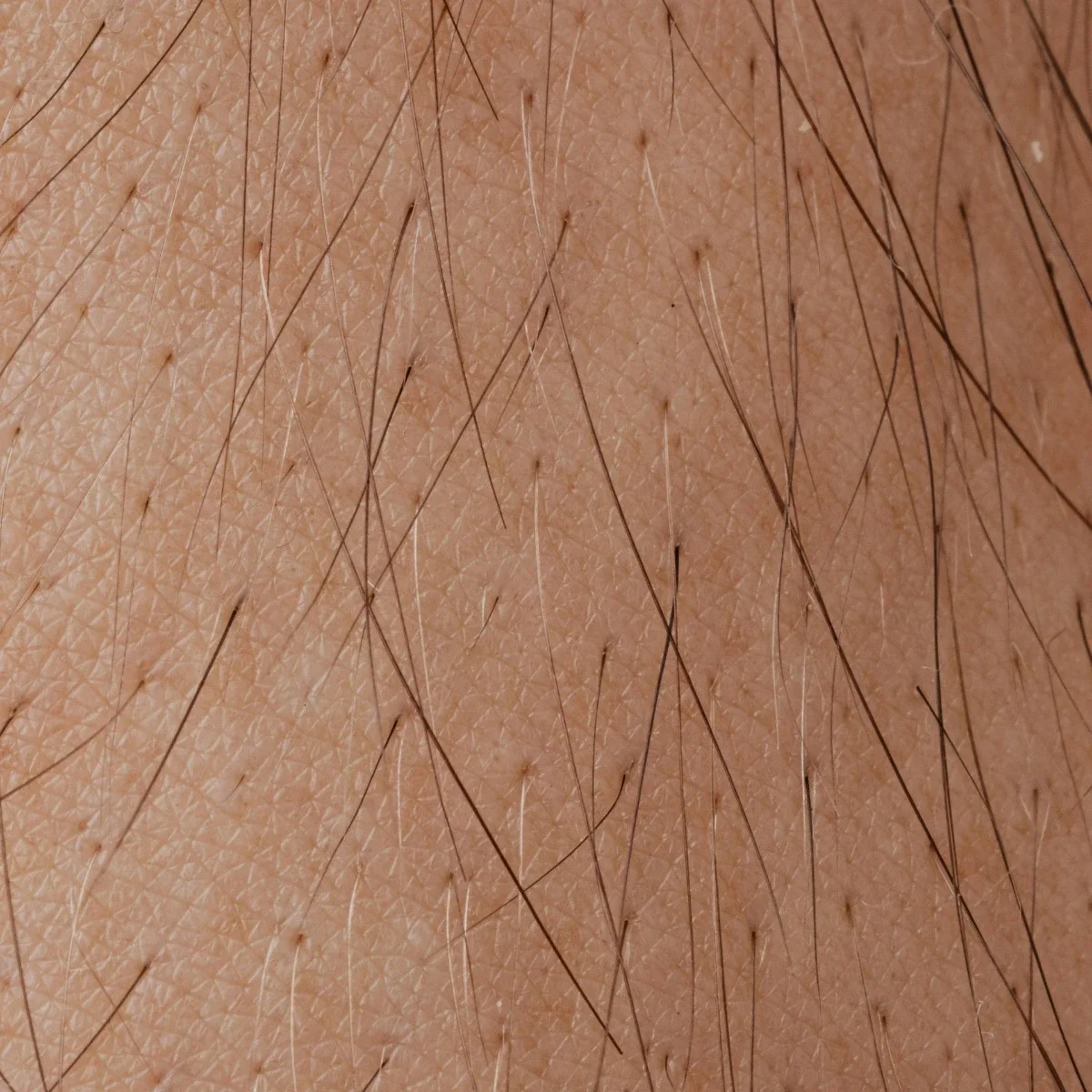
A Routine With an Exit Strategy—Plus Realism About New Growth.
Hair growth is one problem. The fallout from managing it is another: razor bumps, ingrowns, and dark marks from years of repeated removal stack up alongside the growth itself. Most clients with hirsutism or hypertrichosis have spent years cycling through methods that reset. Electrolysis compounds differently: each treated follicle stays closed, hair density decreases over consistent sessions, and the daily management load drops. If hormones are actively stimulating new follicles, you can still get durable, meaningful improvement—you just may need ongoing sessions to address new arrivals. That isn’t failure. That’s biology meeting strategy. Think of it like compound interest: consistency beats intensity, and results accumulate in the direction you want.
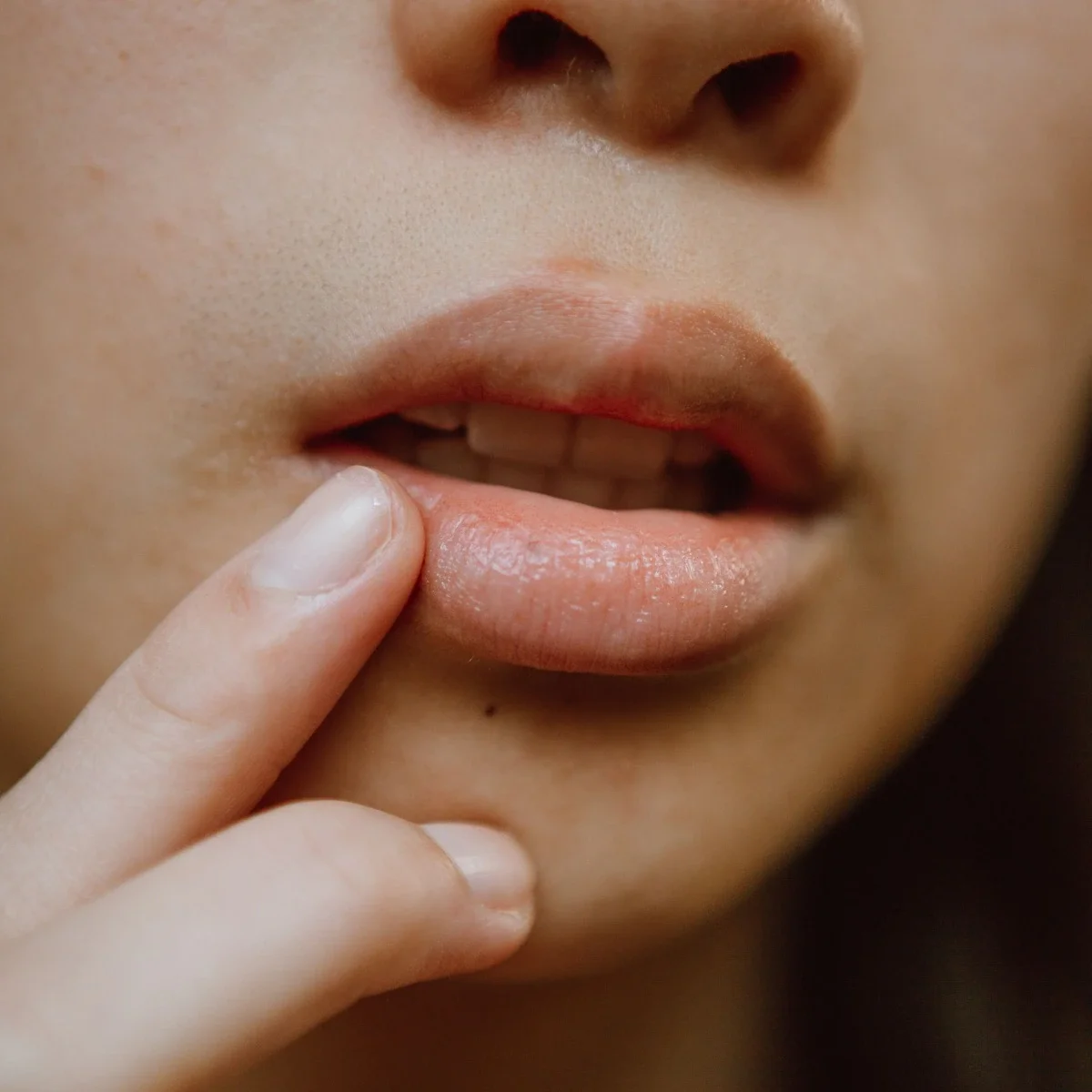
Hirsutism vs. Hypertrichosis: Labels Help With Strategy, Not With Shame.
Hirsutism refers specifically to coarse, dark hair growth in androgen-sensitive areas—chin, upper lip, jawline, chest, abdomen, back—in people assigned female at birth. It’s typically driven by elevated androgens and closely associated with PCOS, adrenal conditions, certain medications, or idiopathic hormonal variation. Hypertrichosis is broader: excessive hair growth beyond what’s typical for someone’s age, sex, and ethnicity, appearing anywhere on the body and not necessarily linked to androgen activity. You don’t need to self-diagnose to start treatment. Both conditions result in persistently active follicles—which is what electrolysis permanently addresses. If a medical evaluation hasn’t happened yet and the growth is new, sudden, or rapidly changing, we recommend getting one alongside treatment—not before it. Understanding the driver sets realistic expectations for how quickly new follicles may activate. But electrolysis doesn’t require you to solve the root cause before you’re allowed to want relief.

Treating Hormone-Driven Growth Takes Consistency. We Build the Protocol Around That Reality.
Hormonal activity can keep activating new follicles, so electrolysis permanently treats existing hair while new growth may still appear. This is normal, not a failure. Your electrolysis treatment plan includes a consult, mapped treatment area, realistic session cadence, and priority treatment of the most visible zones. We adjust as growth changes and coordinate with your dermatologist, endocrinologist, or clinician around medication shifts or flares. Medical management may slow new follicle activation, while electrolysis treats current growth. For reactive skin or post-inflammatory hyperpigmentation, a Calming Facial may help protect the barrier.
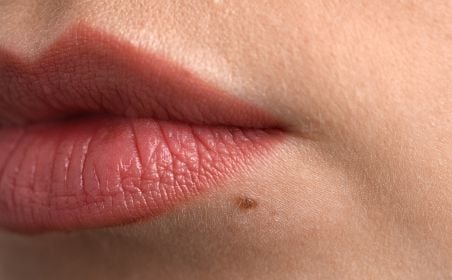
Who Is electrolysis for?
From ending the exhaustion of the daily mirror check to finally stopping the cycle of constant concealment—here is who qualifies for a permanent exit strategy.
- Have been diagnosed with hirsutism, hypertrichosis, PCOS, or a related hormonal condition and want permanent management of the hair growth.
- Have coarse, dark, or mixed-color hair distributed across face, neck, chest, back, or abdomen that temporary methods haven’t addressed.
- Have tried shaving, waxing, threading, or laser—and are still on the treadmill.
- Have dark skin or mixed tones that laser can’t reliably or safely treat.
- Are working with a clinician already and want to add permanent hair removal to your management plan.
- The growth pattern is sudden, new, or rapidly changing and you haven’t had a medical evaluation yet—we recommend one alongside treatment; we observe what we see in the room, but assessment is your doctor’s role.
- You expect a single course to finish the job completely—hirsutism and hypertrichosis involve ongoing hormonal activity; we’ll set honest expectations at your consult.
- Skin in the treatment area is actively irritated or inflamed—we stabilize the surface first and plan a gentler entry point; going slower protects the results.

Electrolysis vs Waxing vs Laser Hair Reduction
Waxing is temporary, laser is partial, electrolysis is permanent. Different tools, different results.
-
Perfect, individual-hair precision
-
Safe for all skin tones
-
Effective on all hair colors
-
Brief heat sensation
-
FDA-RECOGNIZED PERMANENT REMOVAL
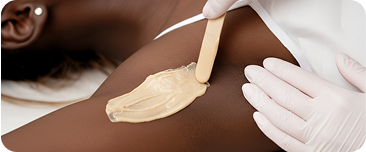
-
Approximate precision
-
All skin tones
-
All hair colors
-
Ripping sensation
-
Temporary results
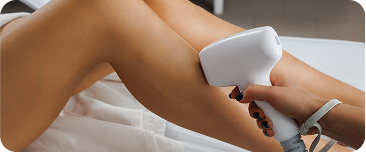
-
Approximate (~½” applicator) precision
-
Struggles with dark & tan skin
-
Limited on light, gray, red, or fine hair
-
Snapping sensation
-
Permanent reduction
Electrolysis Results
See the visible reduction achieved through consistent electrolysis treatments over multiple sessions.
Results may vary depending on hair type, treatment area, and consistency.
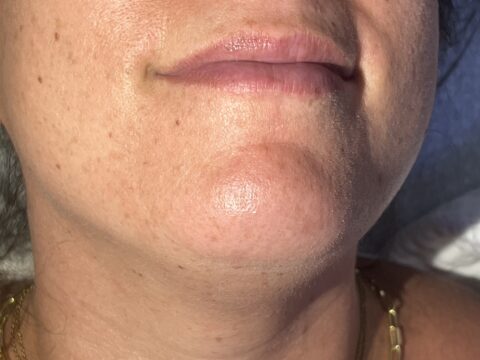 Before
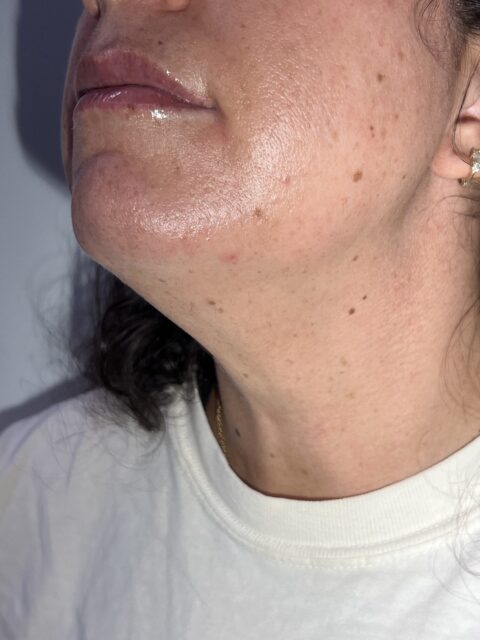 After 4 sessions
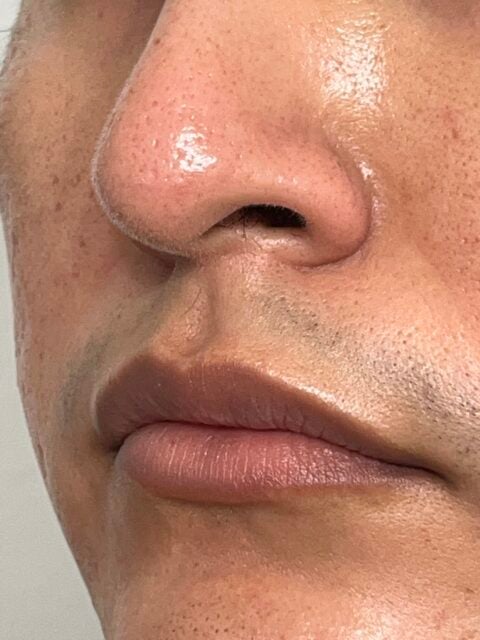 Before
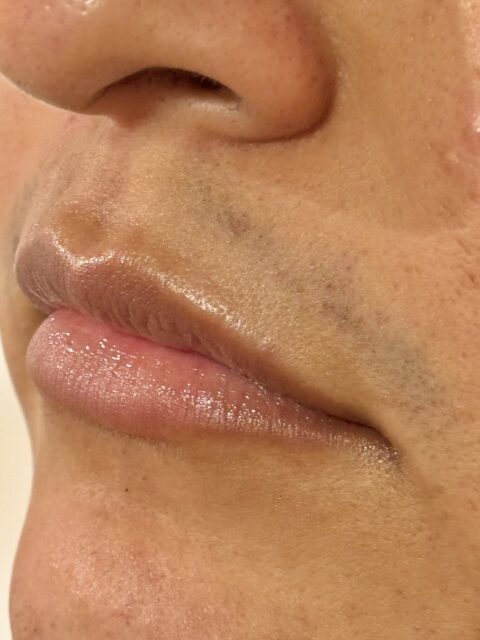 After 5 sessions
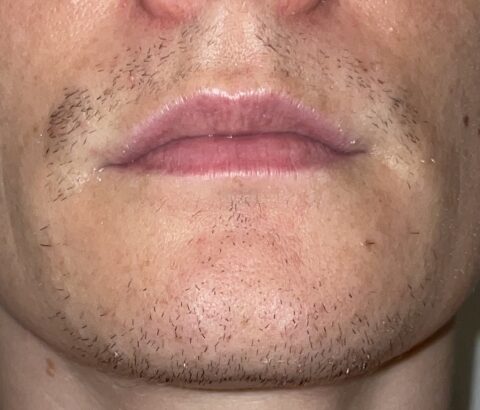 Before
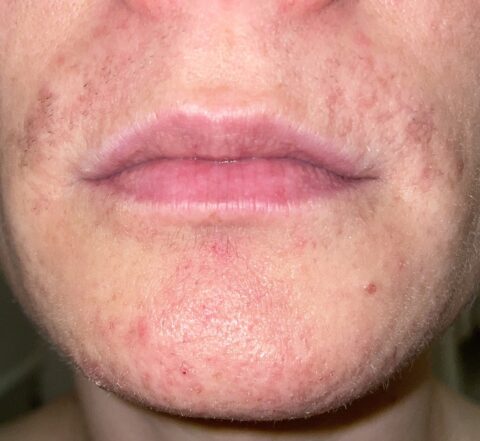 After 1 session
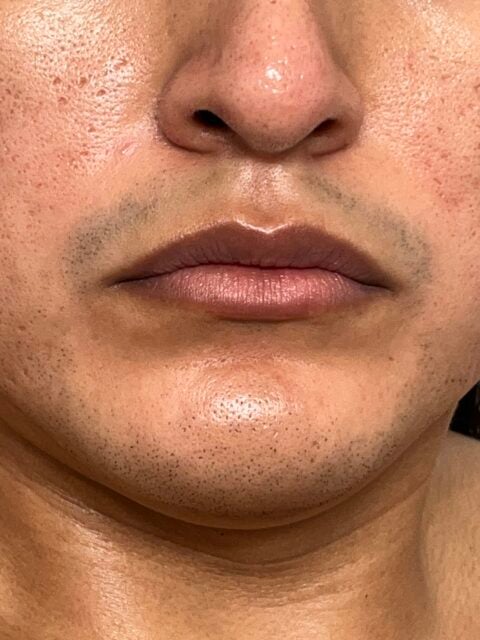 Before
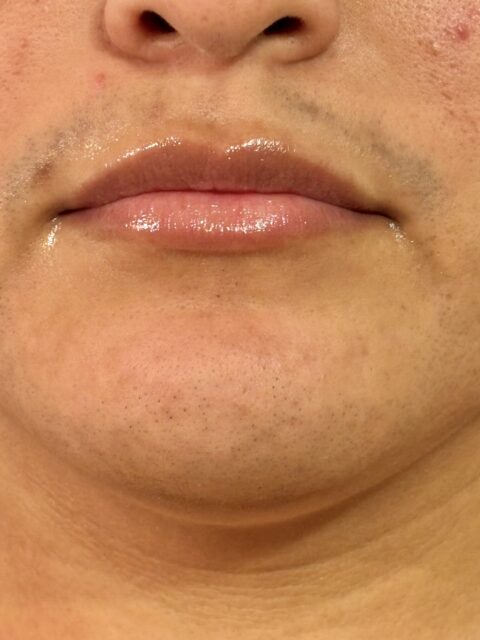 After 5 sessions
Before
After 4 sessions
Before
After 5 sessions
After 5 sessions
Before
After 4 sessions
Before
After 5 sessions

-
M.D. FOUNDEDProtocols designed by an M.D.. We adhere to safety and hygiene standards that go beyond typical spa requirements.
-
SCIENCE, NOT SALESOur technicians are paid to clear your skin, not to upsell you. No quotas, no pressure—just results.
-
CLINICAL-GRADE TECHApilus xCell Technology. We use the fastest, most precise epilators on the market.
-
RIGOROUS TRAININGExpert hands only. Hand-picked and continuously tested. We hire for precision and keep for kindness.
-
OPEN 7 DAYS 9am–8pmLocations across NYC with complimentary high-end sound healing systems. Your records sync across all of them, treat wherever is convenient.
THE TEAM
We are a multidisciplinary team of healthcare experts, licensed estheticians, electrologists, engineers, creatives, and more—sharing expertise across disciplines and united by a single goal: You.



















YOUR QUESTIONS, OUR ANSWERS
-
Can electrolysis permanently treat hirsutism?
Electrolysis permanently closes each treated follicle—those hairs don’t return. The complexity with hirsutism is that active hormones can continue stimulating dormant follicles over time, requiring a protocol consistent enough to address multiple growth cycles as new hairs emerge. Most clients find density decreases meaningfully with regular sessions and daily management load drops significantly. The exit strategy is real—it requires more consistency than a non-hormonal case.
Concierge Note:
Hormones may turn the lights on, but we shut the factory down—follicle by follicle. The protocol accounts for new activation; that’s built into the plan, not a surprise. Most clients find progress feels tangible within the first few months of regular sessions. Book a Nios consult and we’ll set honest expectations based on your specific growth pattern. -
What's the difference between hirsutism and hypertrichosis?
Hirsutism refers to coarse, dark hair in androgen-sensitive areas—chin, upper lip, jawline, chest, abdomen, back—typically driven by elevated androgens and associated with PCOS, adrenal conditions, or certain medications. Hypertrichosis is broader: excessive growth beyond what’s typical for someone’s age, sex, and ethnicity, not necessarily hormonal. Both produce persistently active follicles that electrolysis can permanently address.
Concierge Note:
You don’t need to self-diagnose before booking. The underlying driver affects timeline and expectations—not whether treatment is possible. We assess the pattern in the room and build the plan from there. If the growth is recent or sudden, we’ll flag that a physician assessment runs well alongside treatment. We observe; diagnosis belongs to your doctor. -
Why can't laser treat hirsutism effectively?
Laser targets melanin in the hair shaft—and hirsutism often involves mixed hair colors: gray, lighter brown, and reddish growth alongside darker coarser hair. Laser misses the lighter hairs entirely. It also delivers permanent reduction, not removal, which means hormonally active follicles keep cycling back. Electrolysis treats every follicle it enters regardless of pigment and permanently closes it. For persistent, variable, hormonally driven growth, it’s the more comprehensive approach.
Concierge Note:
This is the structural problem with laser for hirsutism: the method has a pigment floor, and hormonal hair growth doesn’t respect it. Clients who’ve tried laser for PCOS or hormonal hair typically describe the same result—lighter hairs untouched, darker ones reduced but cycling back. Electrolysis doesn’t have a pigment floor. Book a consult in NYC and we’ll show you what that difference looks like in practice. -
Will new hair keep growing back even after electrolysis?
Treated follicles are permanently destroyed and won’t regenerate. Active hormones, however, can stimulate previously dormant follicles to begin producing new hair during and after treatment. This isn’t a failure of the method—it’s how hormonal hair growth works. We treat what’s present, return to newly active follicles as they appear, and track overall density over time. Medical management of the underlying hormonal condition can slow the rate of new activation.
Concierge Note:
Put down the tweezers and let us do the permanent work—your timeline will thank you. Plucking and waxing between sessions disrupts the growth cycle and makes our job harder. Most clients find total hair volume decreases consistently even as new follicles occasionally activate. The direction is always forward. Nios clients who stay on cadence get there faster than those who don’t. -
Should I get a medical evaluation before starting?
If the hair growth is sudden, rapid, or a recent change, a physician assessment alongside treatment is worth pursuing—it matters both for your health and for setting realistic expectations. If you’ve already been evaluated and have a diagnosis, no additional step is needed before starting. Electrolysis doesn’t require you to solve the root cause before wanting relief. Medical management and electrolysis run in parallel, not in sequence.
Concierge Note:
We observe what’s in the room and flag what seems worth a physician’s attention—but assessment belongs to your doctor, not us. Most clients find that having both conversations running at once produces better outcomes than waiting for one to resolve before starting the other. If you have a diagnosis already, that’s enough. Come in and we’ll build from there. -
How long does treatment take for hirsutism or hypertrichosis?
Longer than standard hair removal—and we’re direct about that at your consult. Timeline depends on treatment area, hair density, hormonal activity, and session consistency. Most clients treating a focused area—chin, upper lip, neck—see meaningful density reduction within the first few months of regular sessions. Larger areas or more active hormonal conditions require more time. Each closed follicle stays permanently closed. Progress moves in one direction.
Concierge Note:
The pace depends on your specific situation; the direction doesn’t change. Think of it like compound interest—early consistency does the heaviest lifting, and the returns build from there. Across our Manhattan, Brooklyn, and Queens locations, the clients who stay on cadence see the timeline compress. We’d rather give you an honest scope than an optimistic number that falls apart by session three. -
Can electrolysis be combined with PCOS medication or hormonal treatment?
Yes—and the combination typically produces better outcomes than either approach alone. Medications that reduce androgen activity slow the rate at which new follicles activate, which means fewer new hairs appearing between sessions. Electrolysis addresses the follicles already active and producing hair. The two run in parallel: we handle what’s present; your physician manages the hormonal driver. Neither waits on the other.
Concierge Note:
If you’re managing PCOS specifically, ask your esthetician how your current medication timeline affects session cadence—it’s a relevant variable we factor into the plan. For a deeper look at PCOS hair removal specifically, our PCOS Hair Removal page covers that context in more detail. We coordinate around whatever your physician has prescribed and leave clinical management where it belongs.


Related Solutions
Many similar clients also treat

Back shoulder permanent hair removal electrolysis
When back and shoulder hair is stubborn, patchy, or impossible to manage, the right treatment can change everything.
Learn MorePcos
When chin hair, neck stubble, or facial strays turn into a daily job, it’s time to stop managing hormones with a razor.
Learn MorePRICING
Electrolysis
Pricing goes by time
Junior Technician
$0
Senior Technician
$0
All Nios electrologists receive the same rigorous training. Senior electrologists offer more years of hands-on experience.
How Much Time Do I Need?
Electrolysis is billed by time, not body part, since every client’s hair density and treatment area are different.
-
Small areas
Lip, chin, eyebrows, fingers: ~5–30 minutes
-
Medium areas
Underarms, bikini: ~30–60 minutes
-
Large areas
Legs, chest, back, etc.: 60 to 120+ minutes
The exact timing varies from person to person — for example, underarms may take 30 minutes for one client and a full hour or more for another.
The best way to know what your treatment plan will look like is to book a free consultation, where we can assess your hair in person and give you a personalized estimate.
How many sessions do I need?
Hair grows in cycles—only active follicles can be treated, so multiple sessions are required. Most clients achieve permanent results within 12–18 months: twice a month at first, then monthly as hair thins.
Book a free consultation for a personalized estimate.
Client Testimonials
“a standard for every
hair removal provider”


